
Moving Your Office


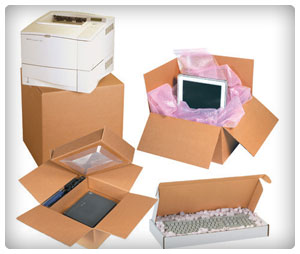
Need to change offices?
Moving an office or a small business is a time-intensive process. The longer you’re transitioning, the longer you are not making money or servicing your customers. Therefore, any office move should be well planned and handled in a professional manner. Haphazardly tying the printer to the roof of your Volvo won’t cut it.
If you’re thinking about changing the location for your small business or office, here are the steps you will need to follow:
Plan
Moving a business is not like moving into a new apartment. It’s not something that can be done in a day, and there are a lot more people depending on it than yourself.
- Pick a date – You will need to choose a moving date that will not unduly harm the business, and you will need to make sure that employees are aware well ahead of time so they can prepare on their end.
- Budget – Make sure that you have the money to finance the move. Check your business’ budget to make sure that you can afford a couple days of closed shop, the moving process and any other negative effects.
- Create a floorplan – Lay out what you have and where you want it to go in the new place. This will help you identify what you should bring with you. It will also greatly help a moving company on moving day, should you hire one.
Hire a Moving Company
If you run you own small office, you probably don’t need help moving. However, if your office is any larger than a couple people, you should definitely hire a moving company to take care of the leg work. Moving companies can get the job done quicker and better than you can. They’re the best way to ensure that you office is moved and back on its feet as soon as possible.
Check out how to find the right moving company for you.
Change Business Details
There are a lot of things that you should take care of before you move offices so that no time is lost once you move in. Here are things to consider:
- Transfer utilities
- Transfer your mail
- Get new stationary and business cards
- Inform lenders and partners
Notify Parties
When moving day comes around, make sure your customers and clients are aware how long your doors will be closed. There are a few ways to do this, all which should be used.
- Place a note on the doors of your old and new offices.
- Tell callers that you will be closed on your business’ call menu and/or voicemail.
- Update your website to reflect that you’ll be closed.
- Call any important customers or clients or those who you expect to be dealing with right before or after the move.
Also, note that you might want to notify your local government, especially if you expect to have waste beyond that of normal capacity. In such a case, you might need special help in getting rid of your trash.
Acquaint Before Reopening for Business
After moving day, you should be careful not to rush to open for business, as tempting as it might be. You first should make sure that everything is in proper working order in the new office.
Once your have verified that everything is working and your employees are ready, open the doors. However, be ready for minor problems. Having one person dedicated to keeping an eye out for problems for a few days is a good idea.
Check here to see how to safely move office computers.
 Call for FREE Moving Quotes
(866) 492-1730


Calculate Your Moving Cost
Moving Articles:
Sorry. No data so far.